
About Biofeedback
Learn how biofeedback works, the different types, and the wide range of conditions it can help address.
What is Biofeedback?
Biofeedback is a mind-body technique that allows the practitioner to get information about the state of the client’s physiology in real time. Using this information, the practitioner can either work with the client to gain control of these internal processes or the practitioner can treat the client. Either way, the practitioner is able to use this information to help guide the client in ways that promote homeostasis.
Biofeedback is a safe, non-invasive, and drug-free approach that has been proven effective for a wide range of conditions.
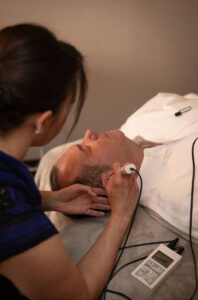
Types of Biofeedback
Traditional Biofeedback
COMMON MODALITIES
Neo-Biofeedback
COMMON MODALITIES
Why Choose Biofeedback?
Biofeedback offers a unique and empowering approach to healthcare. It’s not just about treating symptoms, but understanding your body and learning to optimize its functions.
Non-invasive & drug-free
A natural approach that doesn’t involve medication or surgery.
Empowering
You become an active participant in your own healing journey.
Effective for many conditions
Helps with mental, emotional, physical, and stress-related issues.
Personalized
Sessions are tailored to your individual needs and goals.
Sustainable
Skills learned in biofeedback can be used long-term to manage your health.
Widely Recognized
Endorsed by mainstream medicine, the WHO, and many insurance providers.
Conditions Biofeedback Can Help
Mental/Emotional Issues:
- Anxiety: Learn to reduce physiological arousal and manage anxiety symptoms.
- Stress: Develop coping mechanisms and improve stress resilience.
- Depression: Promote relaxation and emotional regulation.
- Insomnia: Improve sleep quality and reduce sleep disturbances.
- ADD/ADHD: Enhance focus and attention.
- PTSD: Reduce hyperarousal and manage trauma-related symptoms.
Physical Ailments:
- Chronic Pain: Reduce pain perception and improve pain management.
- Migraines: Decrease the frequency and intensity of migraines.
- Hypertension: Lower blood pressure and improve cardiovascular health.
- Irritable Bowel Syndrome (IBS): Regulate digestive function and reduce IBS symptoms.
- Asthma: Improve breathing patterns and reduce asthma attacks.
- Temporomandibular Joint Disorder (TMJ): Reduce jaw tension and pain.
Ready to Experience the Benefits of Biofeedback?
Find a certified practitioner near you, or take the next step and earn your own CBP credential.